
Dogs Drooling & Excessive Salivation
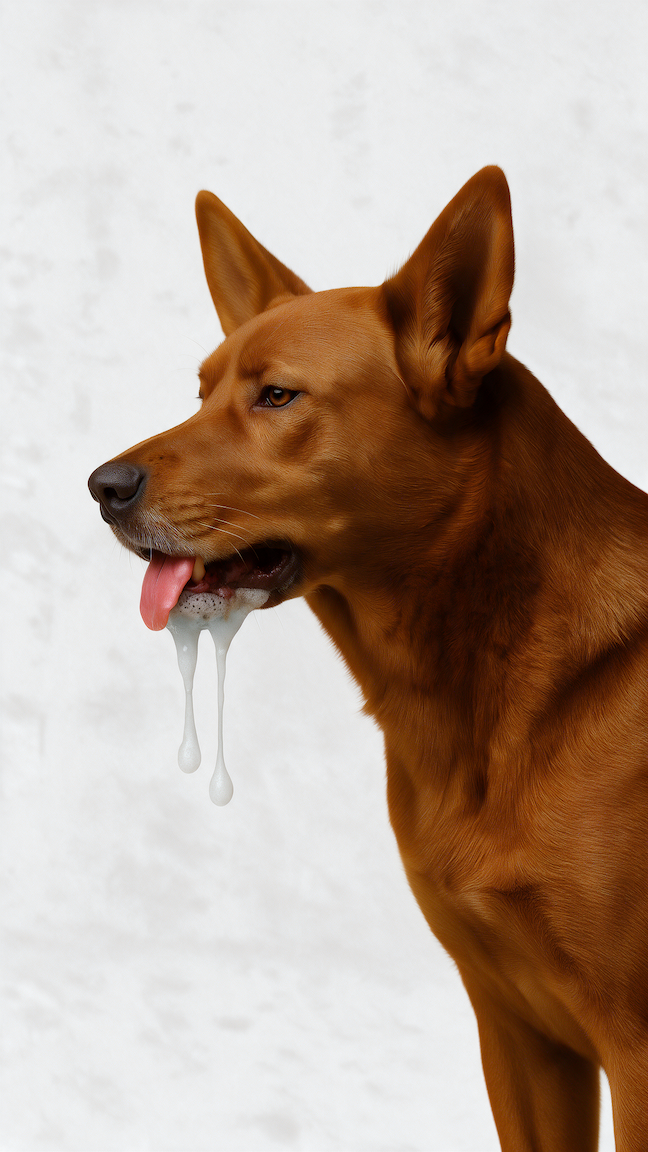
Drooling can be a sign of a neuro-logical event or an adverse reaction to a drug your dog may be takingDogs Drooling
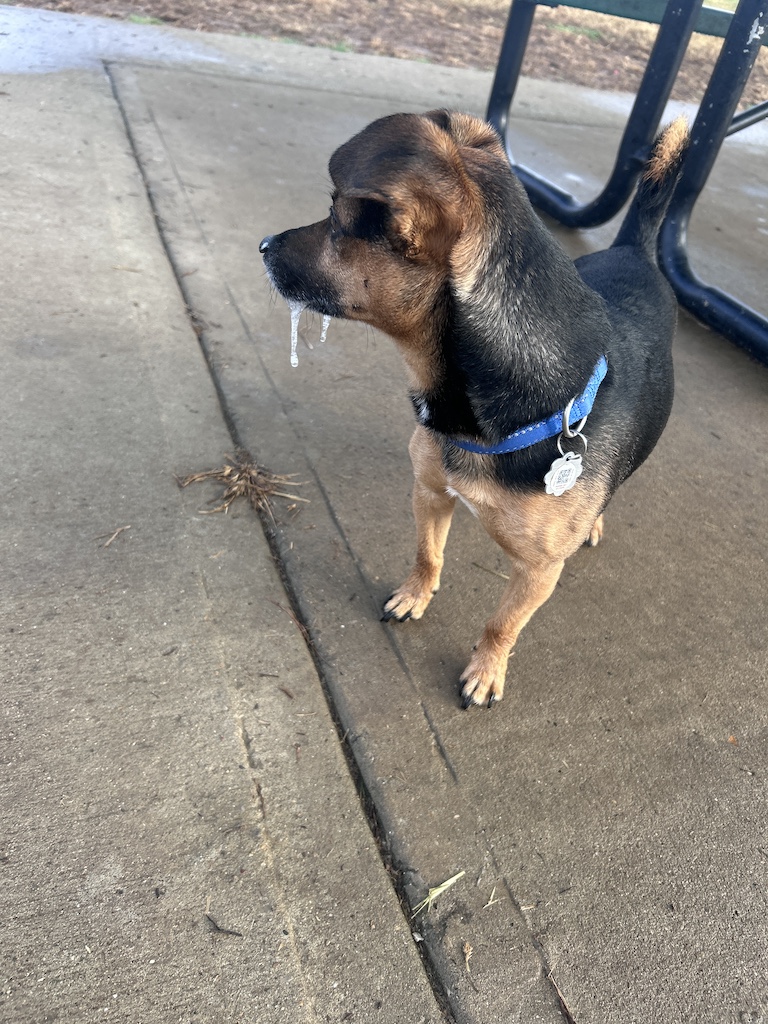
Why Does My Dog Drool at the Dog Park?
Increased drooling with your dog when going to the dog park can be an indicator of a serious adverse reaction. This is a common symptom that is observed in some dogs when visiting the park. You don’t see humans walking around drooling!
Excessive salivation (dripping or drooling) can be a signal of a neurological adverse event associated with the use of the ‘isooxazoline class’s’ of oral (pills or injectable) neuro- toxic antiparasitic pesticides marketed as ‘flea & tick’ products.
The linked study below details of how some anti-parasitical pesticides can bypass the Blood Brain Barrier (BBB) and the toxic antiparasitic chemical can travel into the dog’s brain, thus potentially causing neurological dysfunction; seizures, lethargy, visionary loss and other symptoms, with the excessive salivation and drooling potentially being a reasonable indicator the drug has bypassed the BBB. Read the links below relating to this topic.
Visiting the dog park provides exercise, excitement, and stimulation. Some pet care professionals will tell pet owners the drooling is normal due to excitement, but we have seen this as a more serious indicator of a potentially more severe symptom of a pet having aa involuntary neuro-logical adverse reaction and should be addressed quickly. Read the links below relating to this topic.
A medication-related adverse event is a possibility that should be immediately considered, particularly if the excessive salivation (drooling or dripping) is unusual or excessive for your dog. If your dog is taking a ‘flea & tick’ pill or shot, or other antiparasitic pesticide product, and/or occurs along with additional symptoms (itching, chewing paws), it is advisable to consider these signals as your dog is having a severe adverse event as a possible causation.
Certain oral ‘flea and tick’ drugs in the isooxazoline class have been associated with neurological adverse reactions in dogs. The FDA specifically identifies reported neurological events including muscle tremors, ataxia (loss of coordination), increased salivation and seizures including seizures in some dogs with no previous seizure history.
The FDA also advises owners to contact a veterinarian if a dog develops adverse symptoms after using a ‘flea or tick’ product. It’s listed warning signs include dizziness, wobbliness, incoordination, vomiting, diarrhea, depression, poor appetite, and excessive salivation; seizures have also been reported.
The FDA has alerted Pet Owners and Veterinarians About Potential for Neurologic Adverse Events Associated with Certain ‘Flea and Tick’ Products. The drug manufacturers themselves have also issued warnings against these products and some offer topical solutions without the isooxazoline chemical as an alternative.
If your dog has uncontrollable (involuntary) or excessive salivation ‘drooling’, this can be a serious sign of a neurological dysfunction.
Excitement and physical activity can increase salivation in some dogs. Heat, anxiety, nausea, oral irritation, dental disease, gastrointestinal problems, and other medical conditions can also cause excessive drooling.
If your dog is drooling or dripping ‘excessive salivation’, it is important to treat this as Urgent (as a possible neurological severe adverse symptom) and read the list of adverse reactions on the products box and review with a pet care professional or veterinarian immediately. There are many topical (sprays and spot on’s) natural and chemical, available as an alternative solution that are safer.
Here is a list of Oral ‘isooxazoline’ Antiparasitic Pesticides product brands marketed as ‘flea & tick preventatives’ for dogs. These products may contain the ‘isooxazoline’ chemical.
Credilio, Credilio plus
Nexgard, Nexgard Plus
Simparica, Simparica Trio
Bravecto, Bravecto Quantum
If you choose to stop giving these to your pet, it will take approximately 5 times half-life to eliminate the chemical from the dog’s body. Then there is healing, detoxification time for your dog to start to hopefully recover. You can discuss this with a pet care professional veterinarian. They can also suggest alternate solutions.
A reasonable protocol for preventing an (ectoparasite) insect bite or sting (flies, fleas, bee’s, mosquitos, ticks, other) is to use a topical spray or spot on as a topical solution to help prevent an insect bite.
The content and resources provided on the website are for informational purposes only and are not meant to diagnose, treat, or replace consulting with a veterinarian. Find a veterinarian that can work with you on providing the safest path insect repellant products for your pet.