
Understanding Dog Behavior: Listening Before Training
An unbiased, observation-based approach to understanding canine communication, identifying potential underlying causes of behavioral changes, and supporting a dog's natural well-being.

Dogs communicate with us every day. They use barking, body posture, facial expressions, movement, energy levels, physical contact, and changes in their daily routines to express their needs and respond to their surroundings.
Sometimes, behaviors that pet owners or pet care professionals consider bad behavior, unwanted behavior, or disobedience may actually be a dog's way of communicating that something is wrong or that a need is not being met.
Before attempting to correct a dog's behavior, it is important to understand what the dog may be trying to communicate.
Behavior Is a Form of Communication
Dogs cannot verbally explain when they are uncomfortable, frightened, frustrated, experiencing pain, or simply seeking attention. Instead, they communicate through their behavior.
For example, a dog may begin barking more frequently, chewing excessively, becoming unusually clingy, or showing less interest in activities they normally enjoy.
These changes should not automatically be classified as behavioral problems requiring correction.
They may be associated with:
- Physical discomfort, pain, or illness.
- Changes in food, nutrition, or hydration.
- Inadequate physical activity or mental stimulation.
- Changes in sleep patterns or daily routines.
- Stress, fear, uncertainty, or environmental changes.
- Adverse reactions or side effects associated with medications or other products.
- Changes in social interactions with people or other dogs.
- Unmet needs, learned behaviors, or difficulty understanding expectations.
No single behavior establishes its underlying cause. Understanding the complete picture is essential.
Establishing a Dog's Natural Baseline
Every dog has an individual baseline—a pattern of normal behavior, physical condition, energy, posture, appetite, sleep, and social interaction when the dog is healthy and comfortable.
Understanding this baseline is an important first step in evaluating behavioral changes and determining whether training is appropriate.
A baseline evaluation should consider the dog's overall well-being, including its health history, environment, daily activities, nutrition, medications, and other products to which it may be exposed.
The goal is to understand the dog in its best reasonably achievable state of health and comfort, without avoidable factors that could be contributing to discomfort or behavioral changes.
This includes reviewing whether products being used are necessary, appropriate, and well tolerated.
An uncompromised baseline can serve as a useful care objective, but it should not be interpreted as requiring a dog to be free of all medications or preventive treatments. Some products are essential to maintaining health, and stopping them may worsen the dog's condition.
Understanding Root Causes Before Correcting Behavior
Effective behavior evaluation should look beyond the visible action and consider the factors that may be contributing to it.
For example, if a normally quiet dog suddenly begins barking excessively, immediately attempting to suppress the barking may overlook an important underlying issue.
The dog may be responding to pain, unfamiliar sounds, separation-related distress, an unmet need, or a learned pattern of communication.
A root-cause approach involves observing the behavior, reviewing the dog's health and environment, identifying possible contributing factors, and evaluating the evidence before selecting an intervention.
This approach does not assume that all unwanted behaviors have medical causes. Many behaviors arise through normal canine development, learning, reinforcement, social experiences, or environmental conditions.
The Importance of Posture and Body Language
A dog's posture can provide valuable information about its emotional and physical state.
Changes in movement, weight distribution, facial tension, ear position, tail carriage, or willingness to participate in activities may offer clues about discomfort, uncertainty, excitement, or stress.
However, individual signals should be interpreted in context. For example, a wagging tail does not always mean a dog is relaxed, and a lowered body posture may have different meanings depending on the situation.
Observing the whole dog, rather than relying on one isolated signal, supports a more accurate evaluation.
Working With a Qualified Veterinarian
When behavioral changes are sudden, unusual, persistent, or accompanied by physical symptoms, veterinary evaluation is an important step before beginning or intensifying training.
Ideally, the veterinarian should have experience in:
- Evaluating potential underlying medical causes of behavioral changes.
- Recognizing pain, discomfort, and changes in posture or movement.
- Reviewing medications and identifying possible adverse effects.
- Assessing the relationship between physical health and behavior.
- Collaborating with qualified canine behavior professionals when appropriate.
A veterinarian with additional training in veterinary behavior or a board-certified veterinary behaviorist may be particularly helpful when medical and behavioral concerns overlap.
Training Should Begin With Understanding
Once potential medical concerns and other contributing factors have been appropriately evaluated, training can focus on helping the dog learn and communicate more effectively.
Keep Exploring
Pet Safety Tips
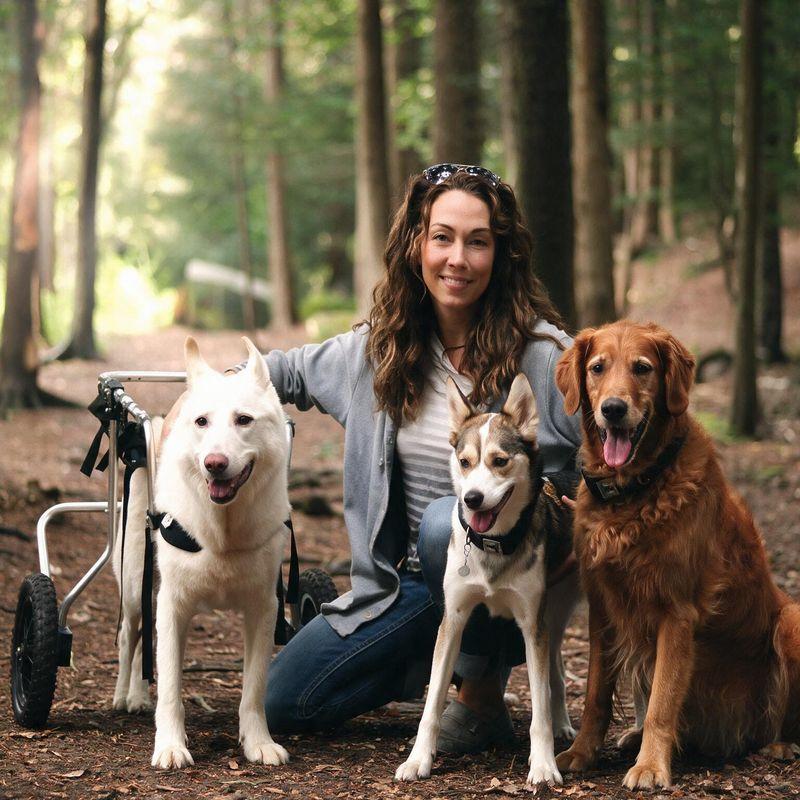
Everyday safety for adventurous dogs — heat, water, trails, toxins and the dog park.

Gentle Pet Care
What “gentle care” means, and how to find a common-sense, holistic-minded veterinarian.
Pet Immunology, Vaccines & Titer Testing
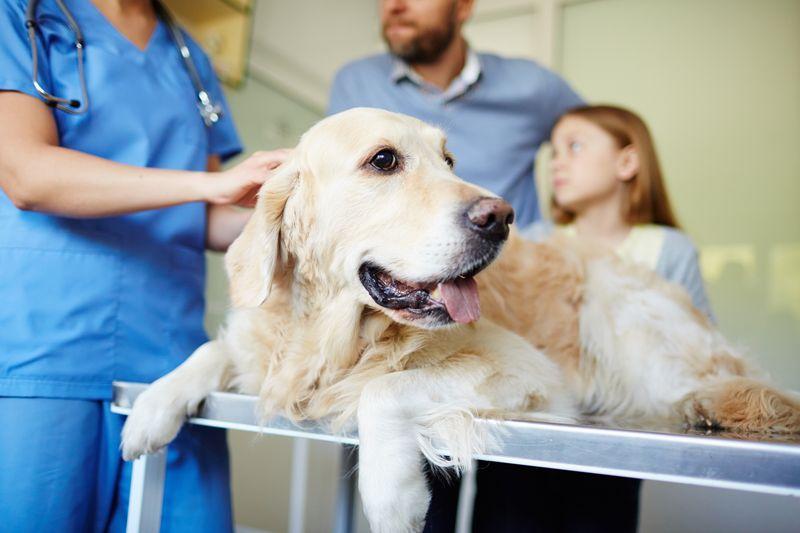
Understanding core vaccines, 3-year protocols and titer testing before re-vaccinating.

Pet Care Product Safety
How to read labels and choose safe, cruelty-free pet products.